
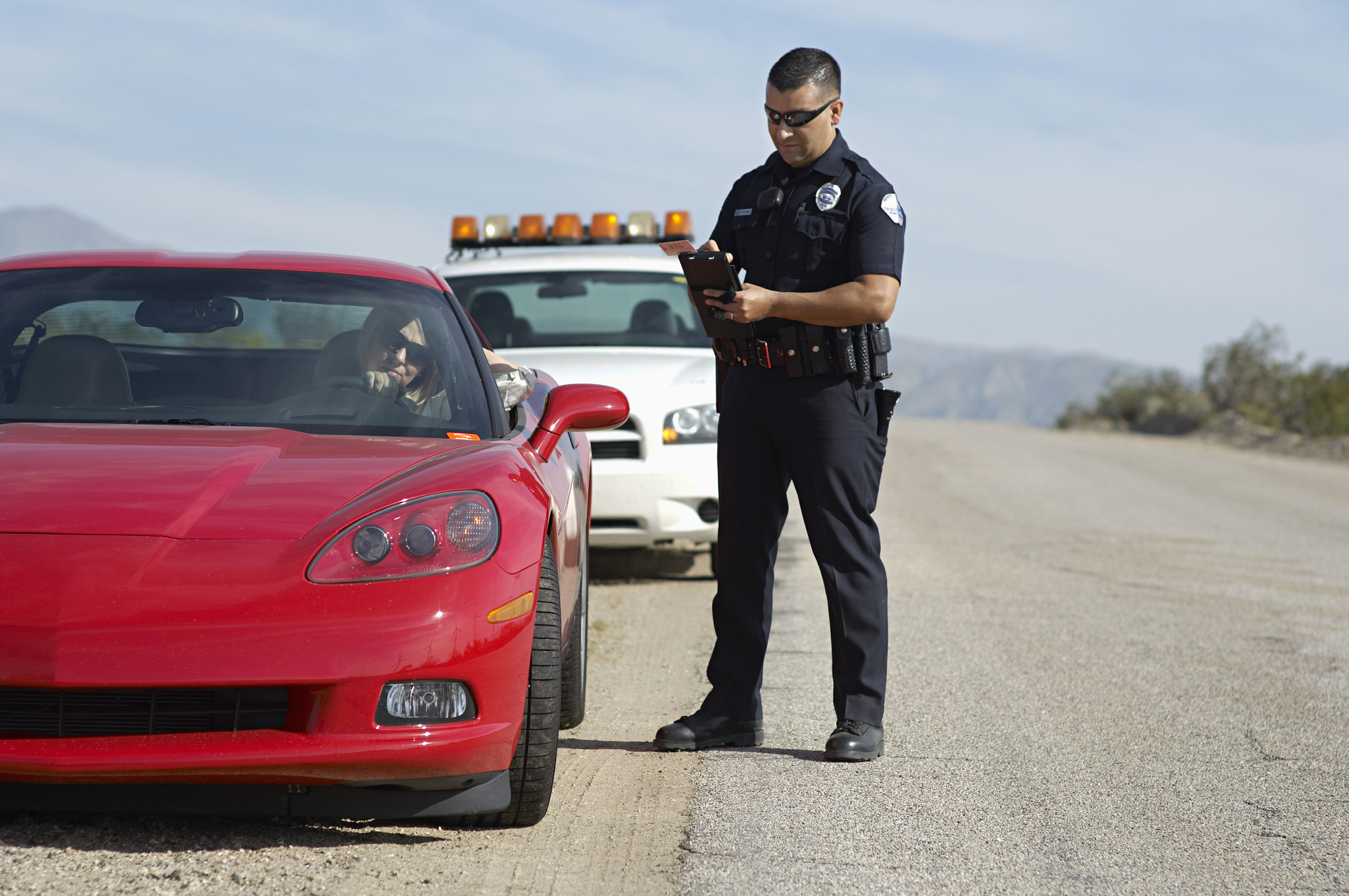
Every year, thousands of collisions occur on New Brunswick roads. Many of these collisions are the direct result of traffic law violations. As a personal injury lawyer who has represented injured New Brunswickers for years, I’ve seen firsthand how a single moment of negligence behind the wheel can permanently alter lives. Understanding New Brunswick’s traffic laws isn’t just about avoiding a fine; it’s also about protecting yourself, your passengers, and every other person sharing the road with you.
This article walks you through the essential rules, fines, and driving regulations under New Brunswick’s Motor Vehicle Act, R.S.N.B. 1973, c. M-17 – and explains what happens when those rules are broken, and someone gets hurt:
What Is The New Brunswick Motor Vehicle Act?
The foundation of all traffic law in this province is the Motor Vehicle Act, which governs everything from licensing and registration to speed limits, impaired driving, and rules of the road. It is administered and enforced by both the RCMP and municipal police forces across New Brunswick.
The MVA works in concert with provincial regulations and, in some cases, the federal Criminal Code of Canada, particularly for serious offences, like impaired driving causing bodily harm or criminal negligence. When you’re involved in a collision, and someone is injured, both the traffic law side and the civil liability side come into play simultaneously. That’s where an experienced personal injury lawyer becomes essential.
Speed Limits in New Brunswick: What The Law Requires
Speed limits in New Brunswick are established under the Motor Vehicle Act and vary depending on the type of road and the surrounding environment:
- 50 km/h is the default limit within urban areas and municipalities unless otherwise posted.
- 80 km/h is the default limit on rural highways and provincial roads unless otherwise posted.
- 110 km/h is the maximum posted limit on select divided highways, including portions of the Trans-Canada.
Speeding is one of the most common contributing factors in serious motor vehicle accidents. Under the Motor Vehicle Act, fines for speeding increase with the severity of the infraction, and excessive speeding (travelling more than 50 km/h over the posted limit) can result in immediate licence suspension, vehicle seizure, and substantial fines. School zones and construction zones carry heightened penalties for speed violations, and drivers must reduce their speed accordingly when workers or children are present.
From a civil liability perspective, a driver who was speeding at the time of a collision can face a presumption of negligence. Evidence on speed can be critical in a personal injury claim.
Distracted Driving Laws In New Brunswick
New Brunswick has some of the strictest distracted driving laws in Atlantic Canada. Under amendments to the Motor Vehicle Act, it is prohibited to use a hand-held electronic device while operating a motor vehicle. This includes texting, talking on a cellphone, scrolling through music, or using a GPS held in your hand.
Penalties for distracted driving in New Brunswick include:
- A fine of $672.25 for a first offence
- Three demerit points are applied to your driving record
- Increased insurance premiums
- Potential licence suspension for repeat offenders
Distracted driving is now a leading cause of fatal and serious injury collisions in New Brunswick. When a driver was using a phone at the time of a crash, that evidence can be used to establish liability in a personal injury lawsuit. Cellphone records, dashcam footage, and police reports are all tools we use to build that case for our clients.
Seatbelt Laws And Occupant Protection
The Motor Vehicle Act requires that every driver and passenger in a motor vehicle must wear a properly fastened seatbelt. Child passenger restraint rules are particularly strict: Children must be secured in an appropriate child car seat or booster seat based on their age, height, and weight, in accordance with both the Motor Vehicle Act and Transport Canada guidelines.
Penalties for seatbelt violations include fines and demerit points. More importantly, failure to wear a seatbelt can affect a personal injury claim. Under New Brunswick’s contributory negligence principles, if you were injured in a collision but were not wearing a seatbelt, the court may reduce your damages award to reflect your own contribution to the severity of your injuries. This is why seatbelt compliance matters not only for safety, but for your legal rights.
Impaired Driving: Criminal Offences And Civil Consequences
Impaired driving is addressed under both the federal Criminal Code and the MVA. In New Brunswick, you can face administrative licence suspension starting at a blood alcohol concentration (BAC) of 0.05% – well below the criminal threshold of 0.08%.
Administrative consequences under the MVA begin at 0.05% BAC:
- Immediate 24-hour roadside suspension for a first occurrence
- Escalating suspensions and mandatory education programs for subsequent incidents
At 0.08% BAC or higher, or impaired by drugs:
- Criminal charges under the Criminal Code of Canada
- Mandatory minimum fines, licence suspension, and potential imprisonment
- Ignition interlock requirements upon reinstatement
When a driver is convicted of impaired driving and causes a collision, that conviction is powerful evidence in a civil personal injury claim. Victims injured by impaired drivers may be entitled to significant compensation, including damages for pain and suffering, lost income, future care costs, and, in egregious cases, punitive damages.
Right-Of-Way Rules And Intersection Regulations
The Motor Vehicle Act sets out detailed right-of-way rules that drivers must follow at intersections, crosswalks, and when merging. Violations of these rules are a leading cause of serious collisions, particularly T-bone crashes and pedestrian collisions.
Key right-of-way rules under the MVA include:
- At intersections: A driver facing a stop sign must yield to all traffic on the through road. At an uncontrolled intersection, the driver on the left must yield to the driver on the right.
- Yielding to pedestrians: Drivers must yield to pedestrians who are lawfully crossing at a marked crosswalk or at a controlled intersection. Failure to yield to a pedestrian is a serious offence and, if it results in injury, will almost certainly give rise to civil liability.
- Emergency vehicles: Upon the approach of an emergency vehicle with activated lights and sirens, all drivers must pull to the right and stop until the vehicle has passed. Failure to do so under the MVA can result in significant fines and demerit points.
- Funeral processions and school buses: The MVA also requires drivers to stop for school buses displaying a stop arm and flashing lights, regardless of which direction you’re travelling on an undivided road. Passing a stopped school bus is one of the most serious non-criminal traffic offences in New Brunswick.
Demerit Points And Licence Suspension In New Brunswick
New Brunswick operates a demerit point system under the MVA. Points accumulate on your driving record when you are convicted of traffic offences, and the consequences escalate with your total:
- 6-8 points: Written warning from Service New Brunswick
- 9-11 points: Mandatory interview and potential restrictions
- 12+ points: Licence suspension
Common demerit point values for traffic violations include: Speeding (2-6 points depending on severity), following too closely (4 points), failing to remain at the scene of an accident (7 points), and careless driving (6 points).
From a personal injury standpoint, a defendant driver’s demerit point history and prior traffic convictions can be relevant evidence in establishing a pattern of dangerous driving behaviour. Learn more about the insurance available in New Brunswick.
Fault And Liability After A New Brunswick Collision
New Brunswick is a tort-based insurance province, meaning that the at-fault driver can be sued directly by injured parties. Unlike no-fault provinces, if someone else’s negligence on the road caused your injuries, you have the right to pursue full compensation through a personal injury claim.
Establishing fault in a New Brunswick motor vehicle accident typically involves:
- Police collision reports
- Traffic violation convictions (a powerful indicator of negligence)
- Witness statements and surveillance footage
- Accident reconstruction analysis
- Medical records documenting the nature and extent of injuries
Compensation in a successful claim can include general damages for pain and suffering, special damages for out-of-pocket expenses, lost wages (past and future), loss of earning capacity, future care costs, and loss of enjoyment of life.
What To Do After A Collision In New Brunswick
The MVA requires drivers involved in a collision to stop, render assistance, and report the accident. Failing to remain at the scene is a serious criminal and provincial offence.
If you’ve been injured in a collision, here are the immediate steps to protect your health and your legal rights:
- Call 911 – ensure police and emergency services respond to the scene.
- Seek medical attention immediately, even if you feel fine; symptoms of serious injuries like whiplash or a concussion can be delayed.
- Document the scene – take photographs of vehicle positions, road conditions, traffic signs, and visible injuries.
- Collect information – record the other driver’s name, licence number, insurance details, and contact information for witnesses.
- Report to your insurer – you are typically required to report a collision promptly.
- Contact a personal injury lawyer – call us, especially before giving statements to the other driver’s insurance company.
Injured In A New Brunswick Traffic Accident? We Can Help
Navigating New Brunswick’s traffic laws is complex enough on its own. When you’ve been injured because another driver broke those laws, the legal process can feel overwhelming, especially while you’re trying to recover from your injuries.
At Melanson Law, we represent injured New Brunswickers in motor vehicle accident claims throughout the province. We understand the Motor Vehicle Act inside and out, and we know how to build compelling cases that hold negligent drivers accountable.
If you or someone you love has been injured in a traffic accident, contact our office today for a free consultation. There is no fee unless we recover compensation for you.
Contact us today if you require an accident and injury lawyer!